Showing posts with label Summer Crew. Show all posts

Friday, December 30, 2011

Casey Trees gets a visit from a Summer Crew Member!

Claire Carter, 2011 Summer Crew member.

The holidays are a time for families to gather and celebrate being together. Casey Trees is like a big family, and we were happy to have a visit from Claire Carter, a member of the 2011 High School Summer Crew. As a member of the Summer Crew, Claire helped Casey Trees water, mulch, weed and track tree conditions throughout the District from June to August.

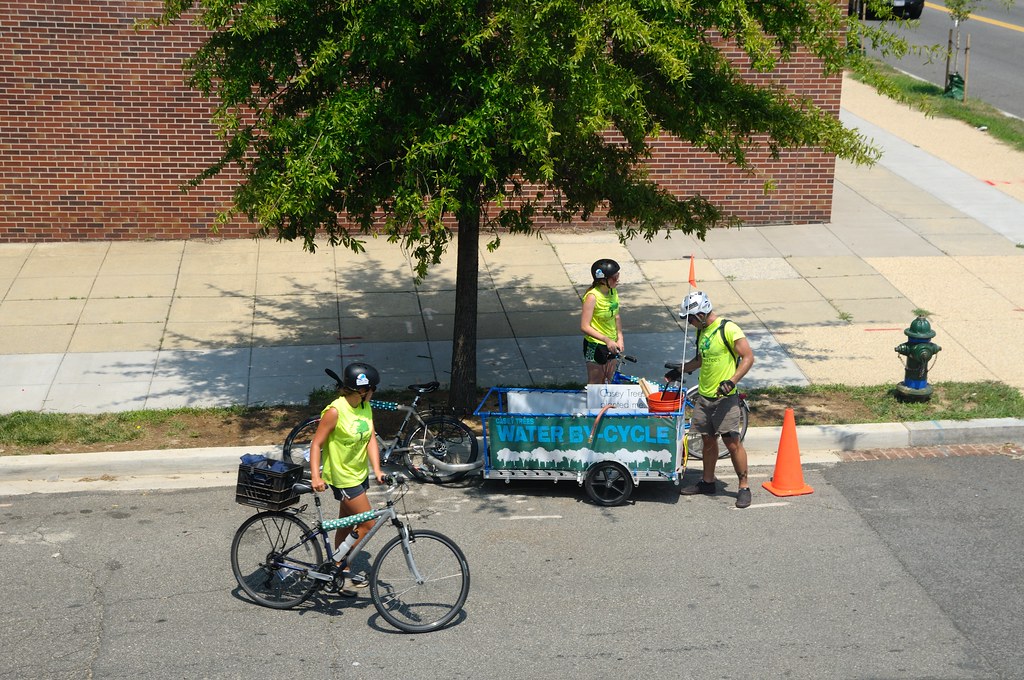
"I thought working outside would be fun during the summer so you're not cooped up," Claire said. She bonded closely with other team members and Casey Trees employees like Neil Irving, who worked with her on the Summer Crew's bike team. The team uses bikes to pull a trailer filled with watering gear around the District.

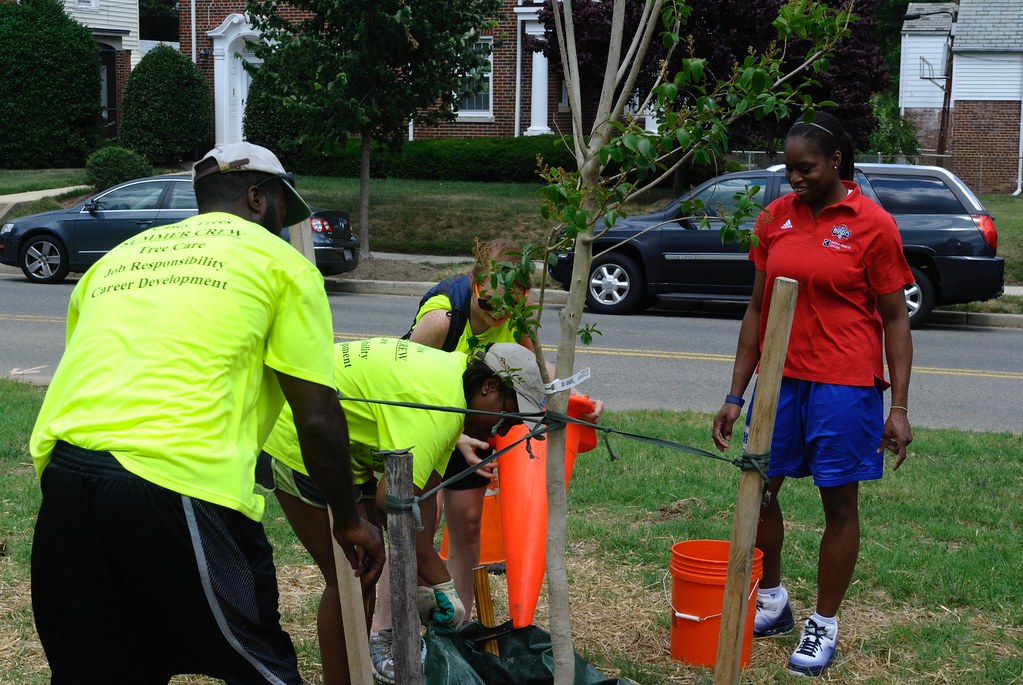
Claire started her first semester of college in Georgia this fall and wasn't able to come out for the plantings this season, so she asked if she could stop by during break. "I asked Neil about coming out," Claire said. Eventually their discussions lead to Claire joining the planting crew on December 19th to help plant some trees for RiverSmart Homes. "We planted four trees and then replanted two," she said, "I miss being in the thick of it and riding around."

While Claire was the only member of the Summer Crew to come out Monday, they still share a close bond. "We got very close," she said, "I have plans to meet up with people from summer crew."

If you're in high school and would like to join us on the Summer Crew, learn more and get ready to apply this spring.

Tuesday, August 16, 2011

Wrapping Up the Summer Crew Season

Contributing Writer - Priscilla Bocskor, Education Coordinator

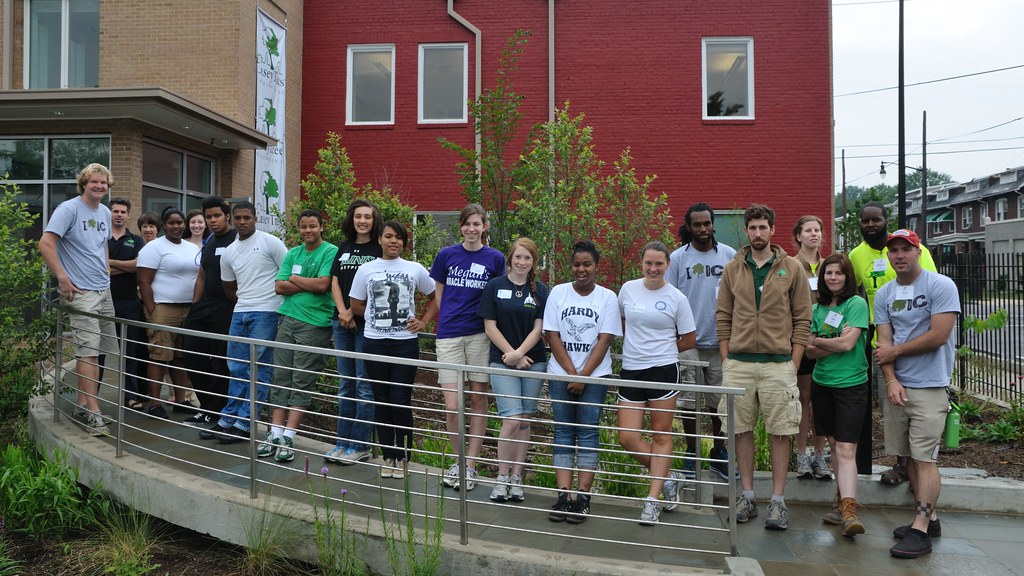
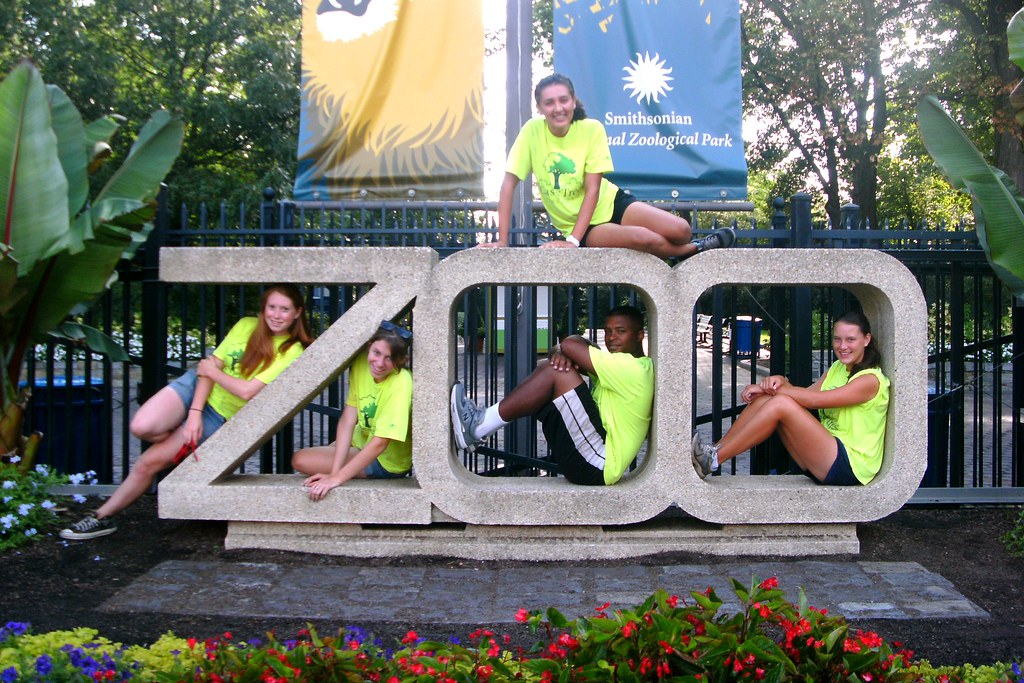
The 2011 Summer Crew (and the Casey Trees Education and Urban Forestry support staff).

Wow! This summer really flew by. I’m so proud of the work our High School Summer Crew students did this summer. Even during July, the hottest month ever in D.C., the Summer Crew not only reached the tree touch goal of 5,946 trees but exceeded it! A total of 6,202 trees were watered by the truck and Water By-Cycle Summer Crew 2011.

All of this watering is critical for the survival of newly planted trees, which the Summer Crew was able to visit three or four times over the course of the summer. During the past 8 weeks the District never received the 1.5 inches of rain a week that these trees need.

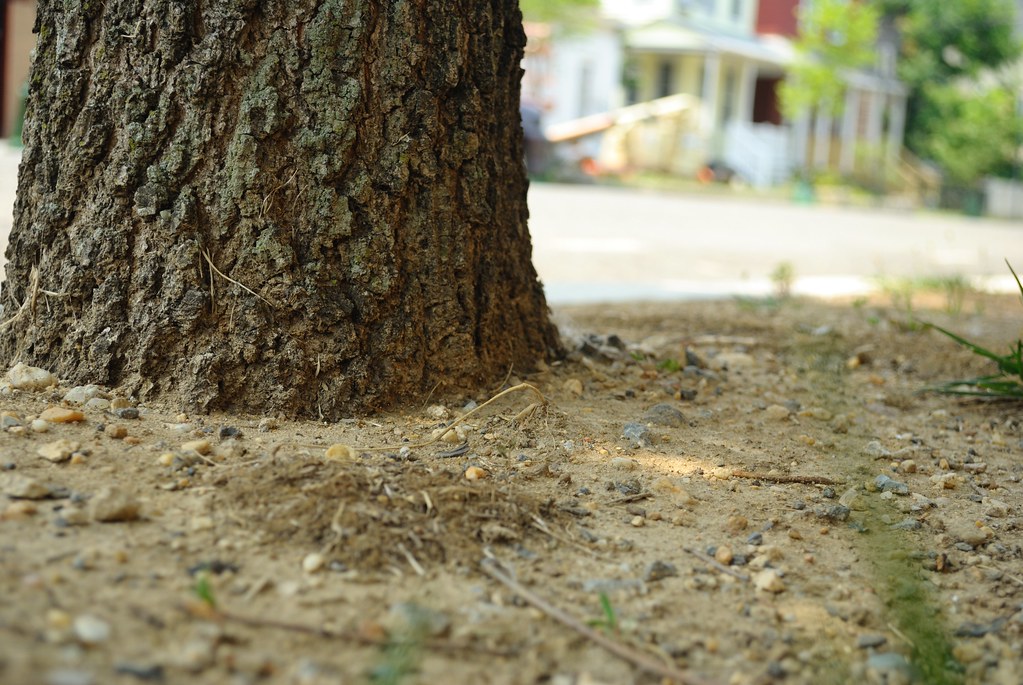
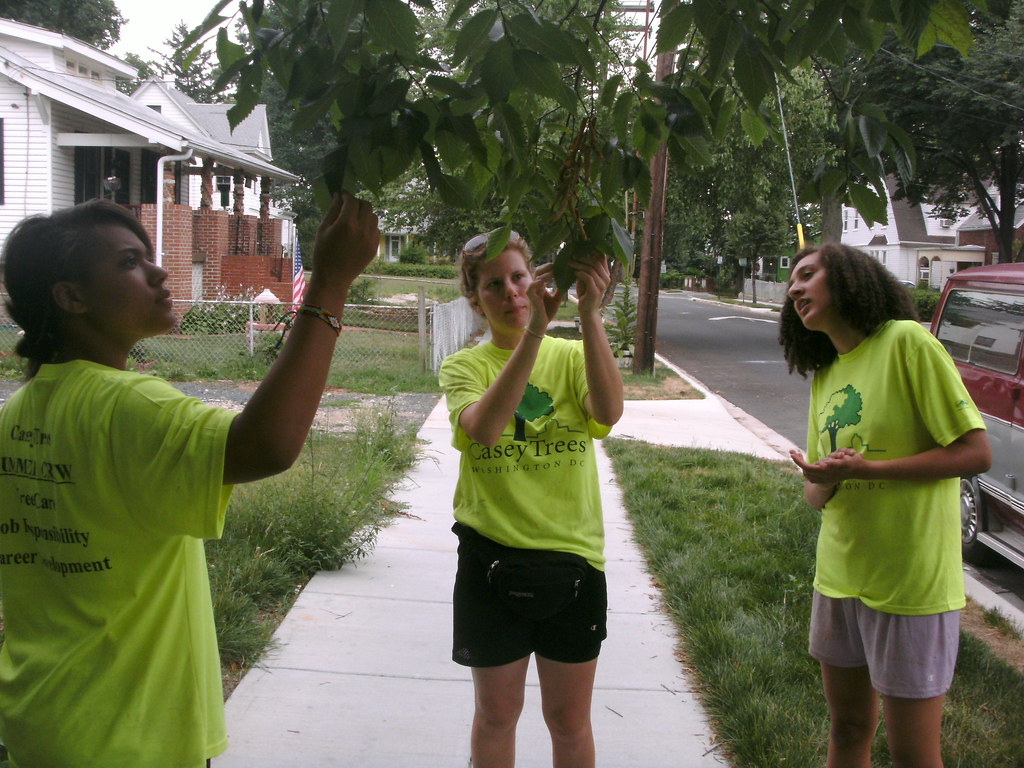
A dry willow oak in June near Casey Trees HQ that was watered regularly by Summer Crew (currently doing OK).
Summer Crew students not only watered and cared for trees but learned valuable job skills and earned all four of their Career Development Days. During Career Development Days students spent the day learning about one of the following green careers related to trees: Arboriculture, Landscape Architecture, Nursery Management, and Geographic Resources.

While the summer may be over, the benefits of Summer Crew 2011’s hard work will have long term impacts as these trees grow and contribute to D.C.’s 40% tree canopy goal. Thank you Summer Crew 2011!

Learning about tree inventory and mapping at the National Zoo.
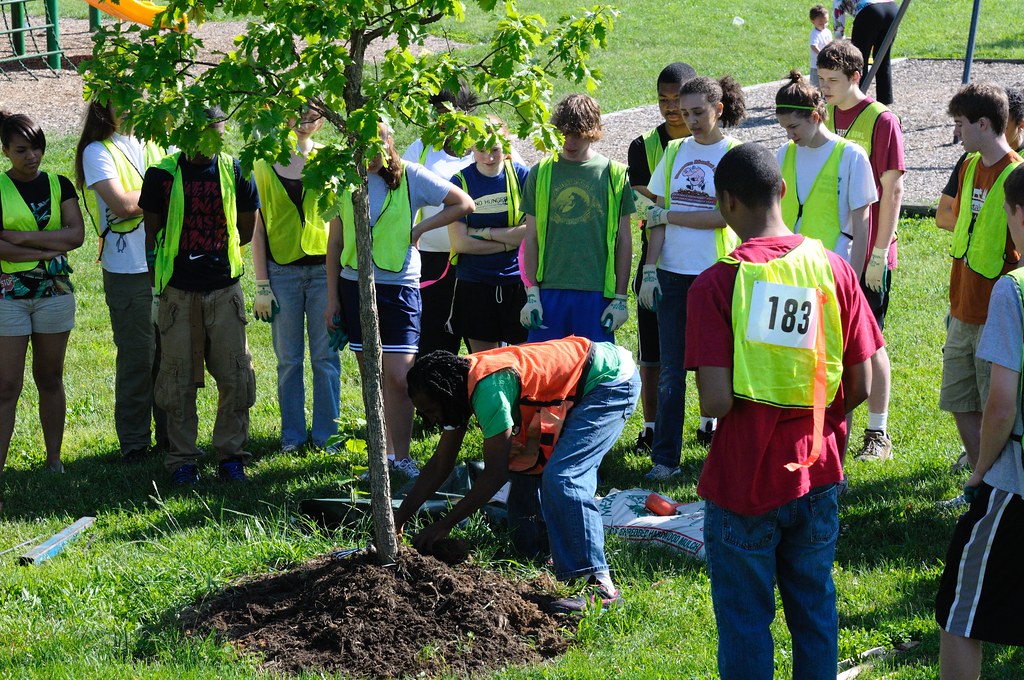
Summer Crew members at a tree care event at Michigan Park in Ward 5.
Caring for American elms at Daingerfield Island.

Monday, August 15, 2011

Summer Crew Update #8: A Challenging Learning Experience

Contributing writer - Ann Elise Trafford, Summer Crew Team Member

Taking a break from cycling around the city.
Before summer started, I expected my time on Casey Trees' Summer Crew to be routine. However, this summer has turned out to be much more for me.

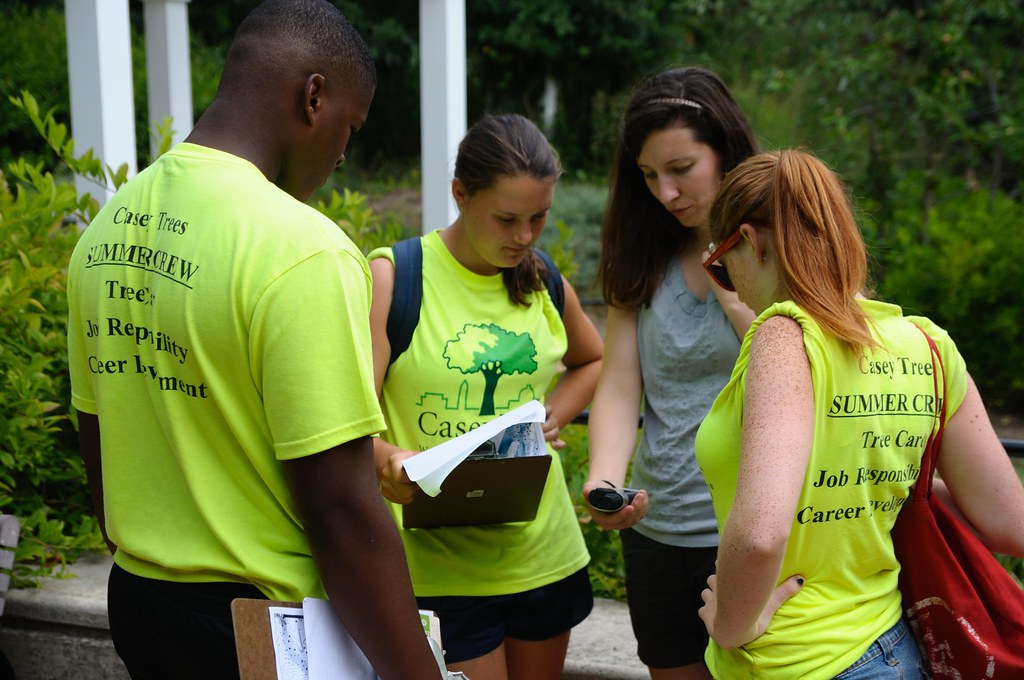
After reading our orientation packet I was expecting the work environment to be strict. Yet, I found the high expectations to be extremely helpful because it emphasized the importance of job responsibility - one of the three goals of the program - to us. For example, arriving to work on time was expected so we were very diligent about showing up before 8:05 a.m. I think we all ran down 12th Street in our bright yellow shirts at least once to make it on time!

I also did not expect hard work to be so fun. Even during the hottest days, my spirits were always high because we talked, joked and encouraged each other throughout our shift. Surprises like ice pops and cold Gatorade helped too! This experience has taught me how to effectively balance work and leisure time so I can accomplish what needs to get done and be able to enjoy the task.

Summer crew members exploring the city.
One thing I am extremely grateful for is being introduced to my fellow crew members. Over the past eight weeks we have really bonded. Even during mundane activities there was never a dull moment in their company. I think this summer has meant different things to each of us but I am confident everyone would say that this has been a great experience for them.

Friday, August 12, 2011

Summer Crew: Tree Planting Crew Update

Contributing writer - Jabbari Brew, Urban Forestry Crew Member

Being a part of the Summer Crew truck team has been a fun and enjoyable learning experience for me. Riding with truck team is like getting a free tour of the city. I get to visit every ward and see what common trees are in different neighborhoods. I have discovered how beautiful and unique Washington D.C. is and how it is changing. I have seen beautification of areas that have been ignored until recently. For example, closer to my own neighborhood we are watering trees: a mix of cherry trees and river birch at Ballou High School as well as oaks and crabapples at Congress Heights Park (both places that our tree planting crew has planted trees this past April).
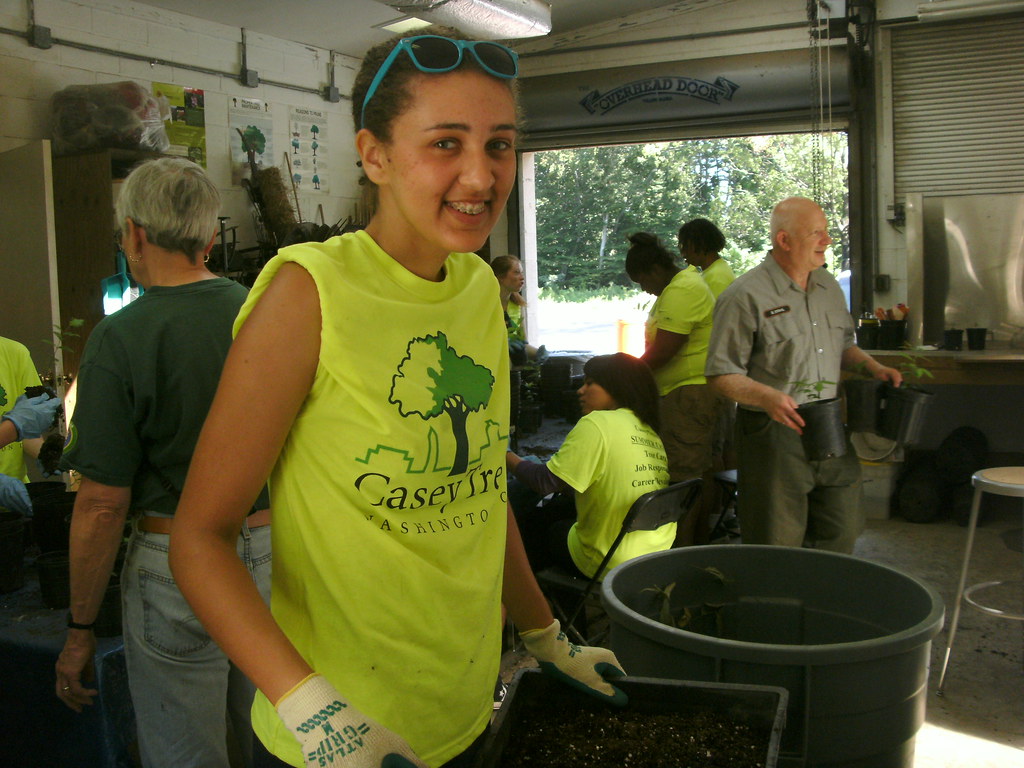
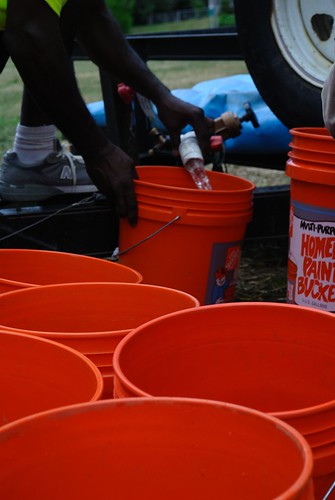
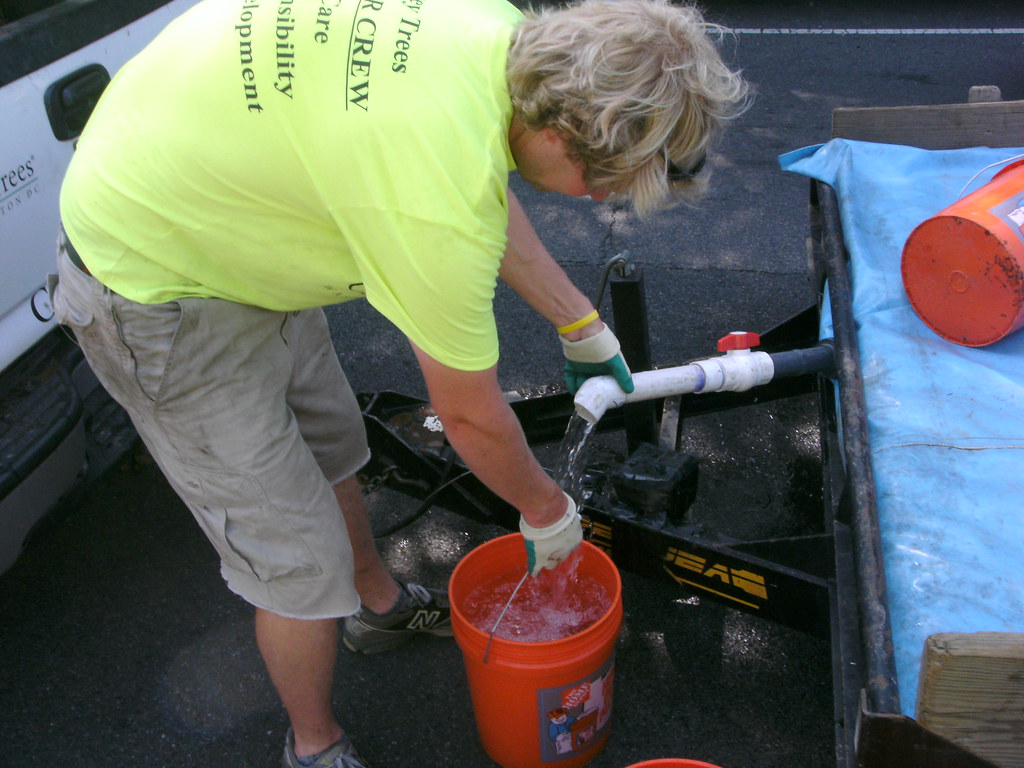
I play a major role in Summer Crew operations as a co-pilot of one of the two Casey Trees trucks assisting Ed Bell on his famous "bucket brigades." I manage the flow of water from the truck’s bladder, which holds 500 gallons of water, to the buckets. I fill buckets and move them into a receiving line for the students while trying to reduce spillage. When one of our water tanks malfunctioned, I improvised a method to dip the buckets and scoop water out of the tank.

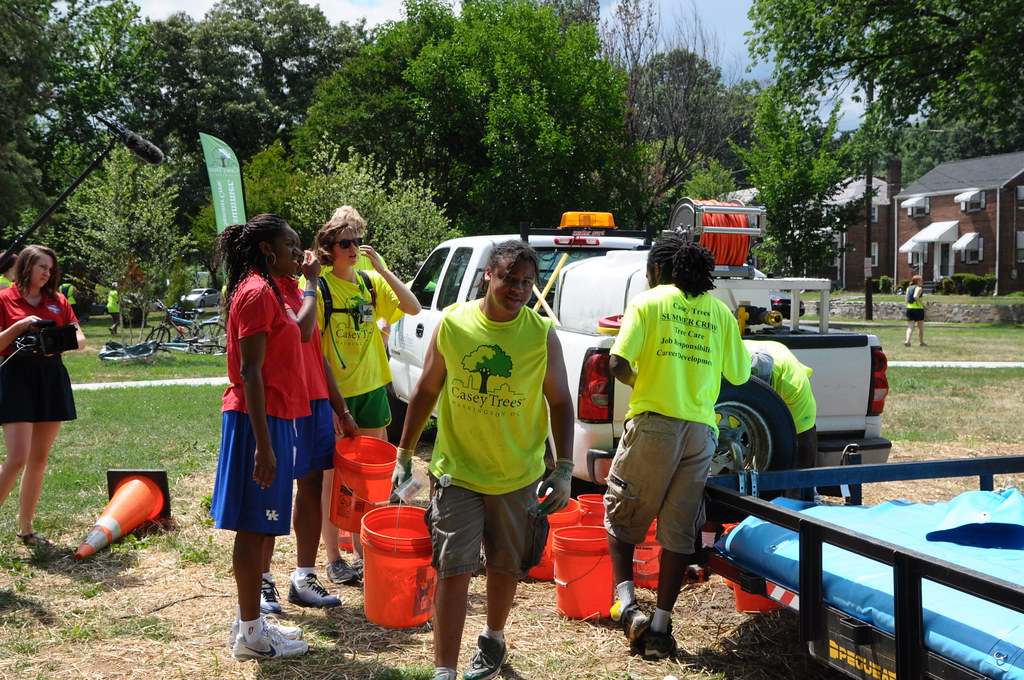
Filling up buckets from the truck's water bladder.
I also help the crew chiefs navigate the eight wards of the District to water all of the trees we planted. We have tree maps as a guide to our watering routes. The maps are pretty informal - they include the location of the trees and the maps’ color coding helps us prioritize what trees need water the most. It has been our goal to water red dots on the maps (trees planted in the last year) four times. The maps also indicate where fire hydrants are so that we can refill the truck's water bladder.

Jabbari demonstrates best maintenance practices to prospective Summer Crew members.
Overall, it has been a very intense, hot summer, which added a significant challenge to the already difficult work. One the hottest days had to be July 22 when the heat index was close to 115. We had to stop early because it was too hot, yet we watered enough trees to satisfy our goal for the day.

I also help engage the Summer Crew students in their work and try to make it meaningful to them by teaching the students tree identification. I hope that the students leave Casey Trees feeling connected to trees, and I believe knowing a tree’s name helps build that connection. As we water the trees I know we all have come to appreciate them more, especially the shade they provide us for a cool lunch spot on a 90 degree summer day.

Friday Photo Feature - August 12, 2011

It's the last day of High School Summer Crew!
View more on Flickr or submit your own photos of trees

Wednesday, August 10, 2011

Summer Crew Update #7: Learning Mapping at the National Zoo

Contributing writer - Claire Carter, Summer Crew Team Member

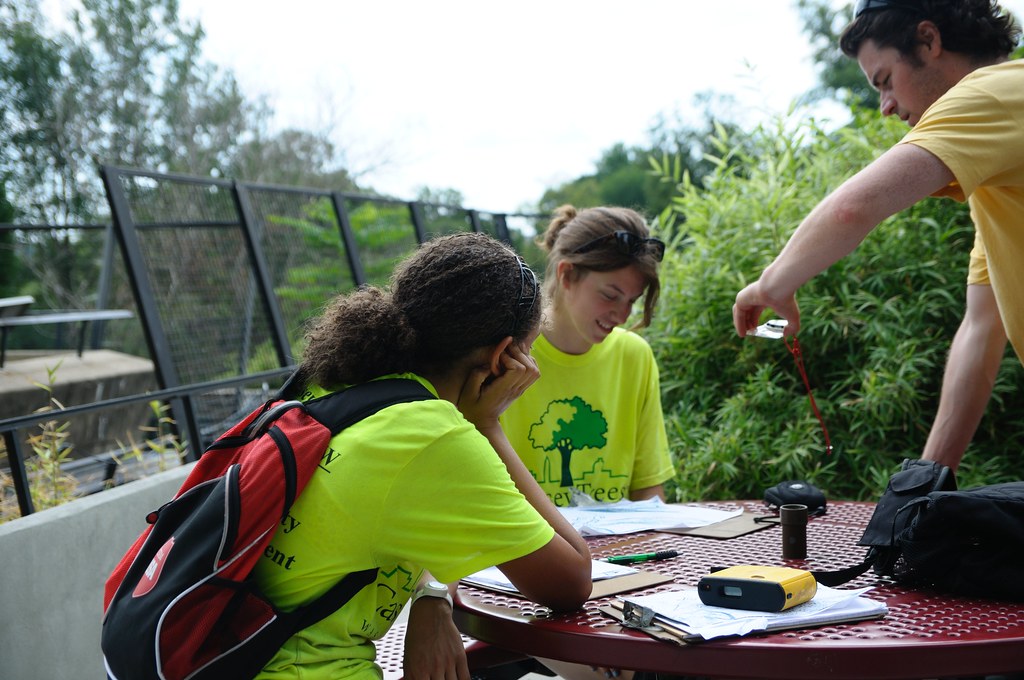
Summer Crew members Claire Carter and Sarah Turner learn mapping from Director of Geographic Resources Tom Buckley.

Lions and tigers and bears were certainly all around us today as we made the trip to the National Zoo. However, for most of us it was the first time that we were studying the lindens, tulip trees, and birches throughout the zoo. It was amazing to realize that besides all of the exotic animals on display at the zoo, the diversity of the trees was beautiful. The trees were mature, well taken care of and helped to replicate a more natural habitat for many of the animals.

Arguably the most difficult part of the day was realizing that I had little to no command on the use of a compass, however, with Tom Buckley’s help my partner and I were quickly able to grasp a better command on using the compass only for navigation. We did both agree that the electronic GPS still would win the award for ease of use and familiarity. But to learn about the triangulation by hand was informative and makes me think I will be fine if I go hiking without technological assistance!

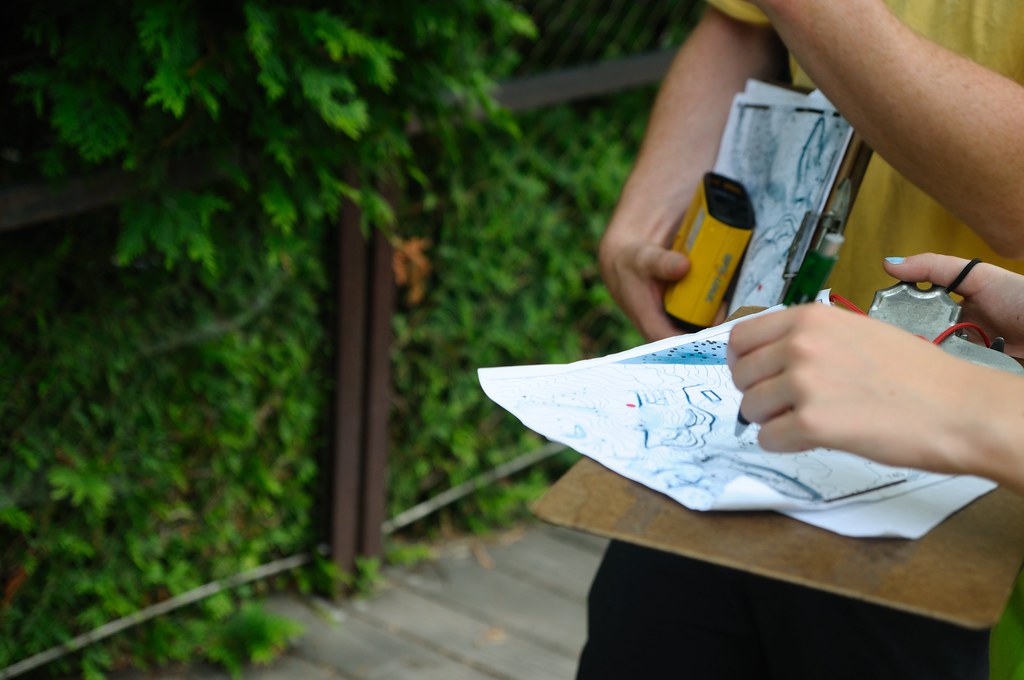
Navigating the zoo by paper and compass.

To finish up the day we headed back to the office, to learn about Walking Papers, a grassroots initiative to improve mapping around the world by submitting mapping data to Open Street Map (kind of a Wikipedia for maps). So the Summer Crew tried our hand at it and mapped the trees along the block of the Casey Trees office. We got to use the handy tape measure that converts the circumference of the trees to the diameter which is helpful to identify how healthy the tree is based on how old it is. Afterwards we input this data into the website and the Summer Crew has now contributed our part to an inventory of the Brookland neighborhood's trees.

Today was a great career development day which really showed how important the mapping of areas can be, especially in being able to keep track of the trees that we are watering and other trees throughout the city. And of course seeing the cute animals was a bonus!

Tuesday, August 9, 2011

Photos: Inventory and Mapping at the National Zoo

Last Friday, the High School Summer Crew completed their fourth and final professional development day of the summer. As a reward for meeting their tree touch goals, development days featured a number of activities, each focusing on a different 'green' industry to help foster professional development. Not only did the Summer Crew reach their tree touch goal, they surpassed it by 534 trees - caring for 5,579 trees. Great job!

While most visit the National Zoo for its wonderful array of animals, the Crew spent their morning navigating its grounds using a combination of GPS, laser range finders and topographical maps. Their objective: try to identify trees (without looking at its often conveniently placed species tag), considering its location on the map and approximate height. This outing at the Zoo gave the students an opportunity to learn more about mapping and tree inventory.

Geographic Resources Director Tom Buckley provides some initial instruction.
GPS helps determine this tree's location.
Crew members use leaves to help identify this tree.
An example of the topographical maps Crew members used.

Crew member Sarah Turner uses a laser range finder to measure a tree in the distance.

Summer Crew students with Urban Forestry Crew Members Jabbari Brew and Edward Bell.

You can check out the rest of the pictures from this event on Flickr.

Monday, August 8, 2011

Summer Crew: Tree Planting Crew Update

Contributing writer - Edward Bell, Urban Forestry Crew Member

I began working at Casey Trees in the fall of 2010 as a crew member, and this summer I took on new leadership: managing a group of students on our Summer Crew and driving the water truck.

My experience over the summer can be summarized in four words, “my cup runneth over.” It might sound cliché, but I am thankful for the opportunity to have an impact on the environment and help care for an important part of our urban community: the trees. I have thoroughly enjoyed working with younger people and having a positive impact on their lives. I shared with them the basic knowledge about watering and tree care. I led by example and demonstrated good work practices like being prompt to work, working hard, and working well as a team. How do I motivate the students? I like to yell, “bucket brigade!” It’s my call to action to get work done.


This summer has definitely been a memorable one. We have watered thousands of trees and my crew didn’t get any traffic tickets or have any accidents. With only have one more week of the Summer Crew season we're planning on staying safe and productive.

Friday, August 5, 2011

Summer Crew Update #6: Exploring the District

Contributing writer - Grace Pooley, Summer Crew Team Member

As the 2011 High School Summer Crew session comes to an end, I have been thinking a lot about the unique opportunity I have been given to experience so many different parts of the District. As a resident of Prince George’s County in Maryland, I was not familiar with many D.C neighborhoods before starting at Casey Trees. As my team biked across the District, I got to know new areas including Trinidad, Adams Morgan, H Street Corridor, Brookland and Columbia Heights.

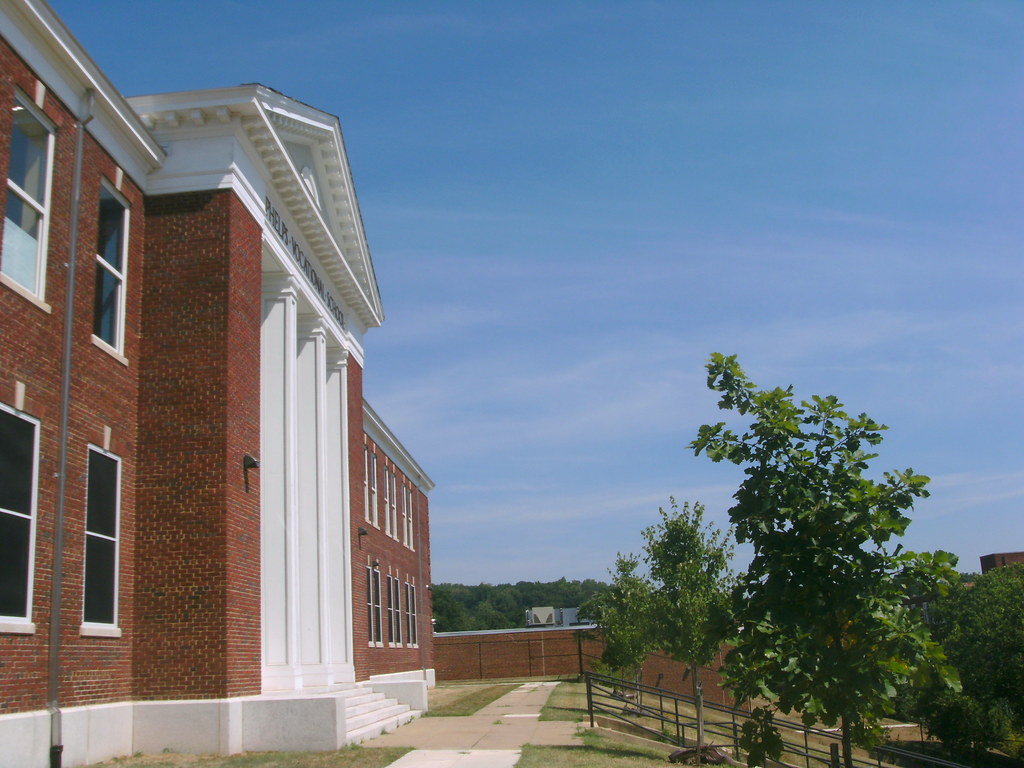
Taking care of trees planted at Phelps School.

I have thoroughly enjoyed my time at Casey Trees, helping to care for D.C's urban forest and making friends I never would have met without joining the Summer Crew. After graduation next Friday, I will miss meeting up at the tree yard in the morning to do our stretches and all the exciting and fun times we have had around the city. Hopefully the 2011 Summer Crew will get to meet up in the future at a volunteer event and explore the city again!

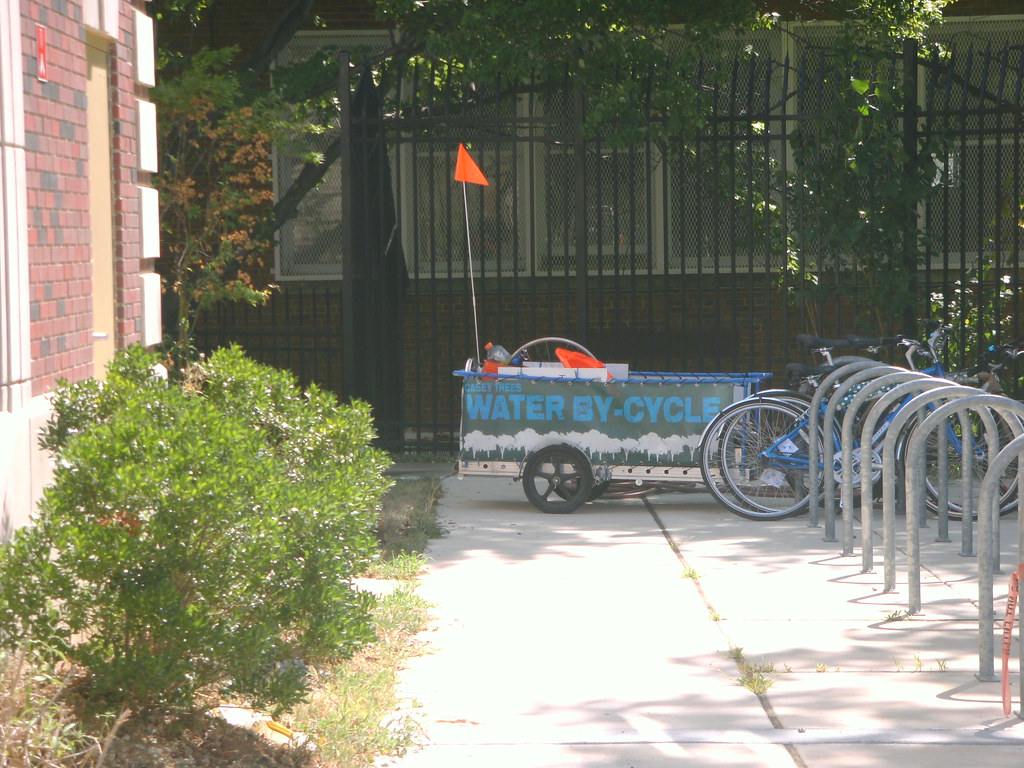
The Water By-Cycle team's equipment.

Sunday, July 31, 2011

Water By-Cycle Update

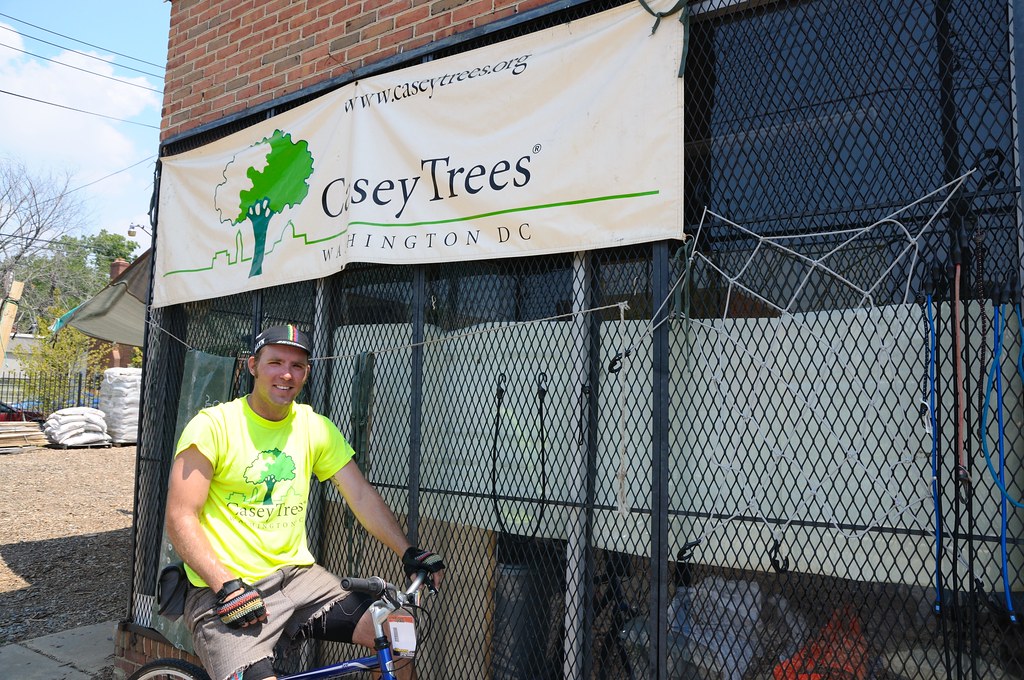
Contributing writer - Neil Irvin, Water By-Cycle Crew Chief

We are now in the sixth week of the Summer Crew's Water By-Cycle program. Being a bike crew chief is both strenuous and rewarding. I love riding a bicycle but pulling a trailer with 250 feet of hose and various tree care equipment along the streets of D.C. in the summer can be a bit taxing. However, by mapping out our routes in advance we ensure we reach the greatest number of trees possible in the most efficient manner.
My crew consists of high school students who have an excellent work ethic, a love for trees and genuine desire to beautify the nation's capital. While they are caring for D.C.'s trees, they are also developing valuable professional development skills and becoming excellent communicators. I lead by example and explain things thoroughly so they can take ownership of their work.

Being a part of the bike watering crew has given me a chance to see different parts of the District, learn proper tree care and work with a great team of people. Most importantly my work is part of a greater mission - protecting D.C.'s trees. When the sun is shining and the breeze is flowing, I am reminded of how lucky I am to help lead the Casey Trees Water By-Cycle team. Our bike crew is looking forward to far surpassing our watering goals!

Friday, July 22, 2011

Photos: Planning and Design Day

The High School Summer Crew completed their third professional development day Wednesday at the Casey Trees headquarters. Development days are awarded to the crew throughout the summer as long as they reach their tree care goals. The students surpassed their most recent tree touch goal, caring for a total of 3,114 trees by the end of week four. So on Wednesday, Maisie Hughes, our Planning and Design director, led the crew in several engaging activities, both on site and at the nearby Franciscan Monastery of the Holy Land.

After morning icebreakers, the summer crew learned about tree space, landscape architects and arborists. The students then split up into groups to debate various proposals for a tree space design during a mock public meeting. They wrapped up the morning with a game of planning and design jeopardy.

A group takes notes during the debate
Crew members deliberate during Jeopardy

The afternoon segment kicked off with a power point about tree planting goals and our 3030 Rain Garden. Maisie explained to the crew the process of selecting the right trees for the garden.

Maisie shows the crew a map of the District's tree canopy

The crew then set off into the hot afternoon for the Franciscan Monastery of the Holy Land. They broke off into teams to explore the beautiful gardens and analyze the landscape and treescape. Before leaving the site, the crew convened to discuss their findings. The day ended with a community planning activity.

The Franciscan Monastery of the Holy Land. See our self-guided tree map of this location!

A group examines trees surrounding the grotto

Crew members compare and discuss notes on the landscape

See all of the photos from this event on Flickr.

Wednesday, July 20, 2011

Mid-Season Update: High School Summer Crew

Contributing writer - Priscilla Bocskor, Education Coordinator

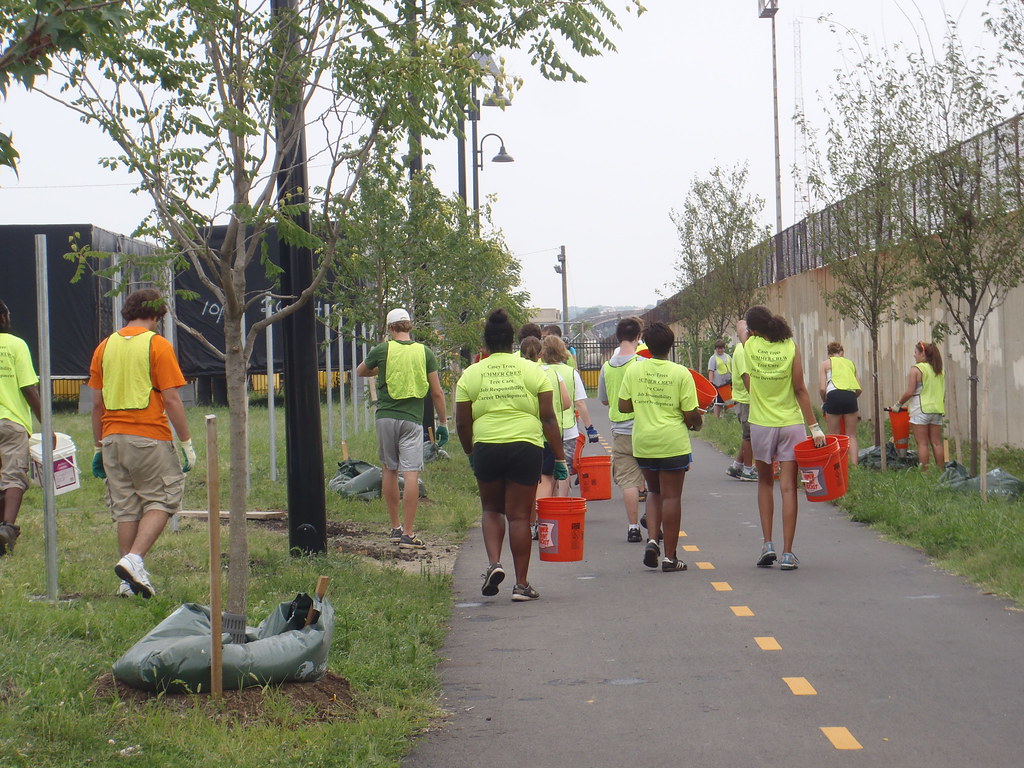
The summer crew watering trees at Met Branch Trail.

I can’t believe we are over halfway through the High School Summer Crew 2011 session! The Summer Crew Water By-Cycle and truck crews have continued to surpass their tree touch goal and have completed 3,114 tree touches by the end of Week 4. Any time the summer crew waters, weeds or mulches a tree that equals a tree touch. The overall tree touch goal by the end of Week 8 is 5,496. I'm sure we'll be able to achieve our goals by graduation day on August 12.

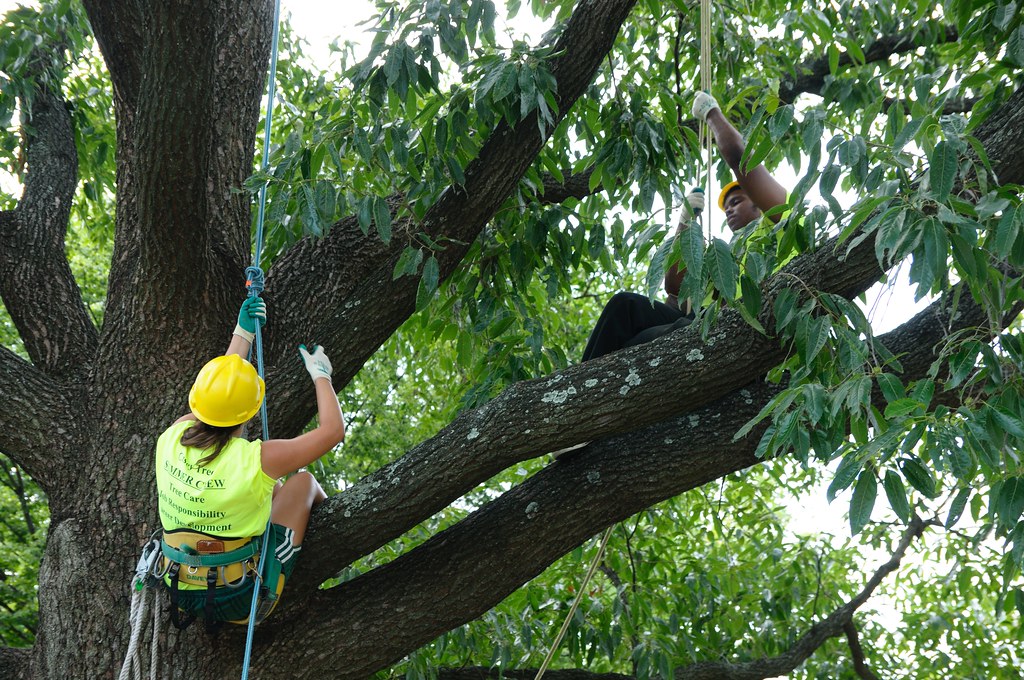
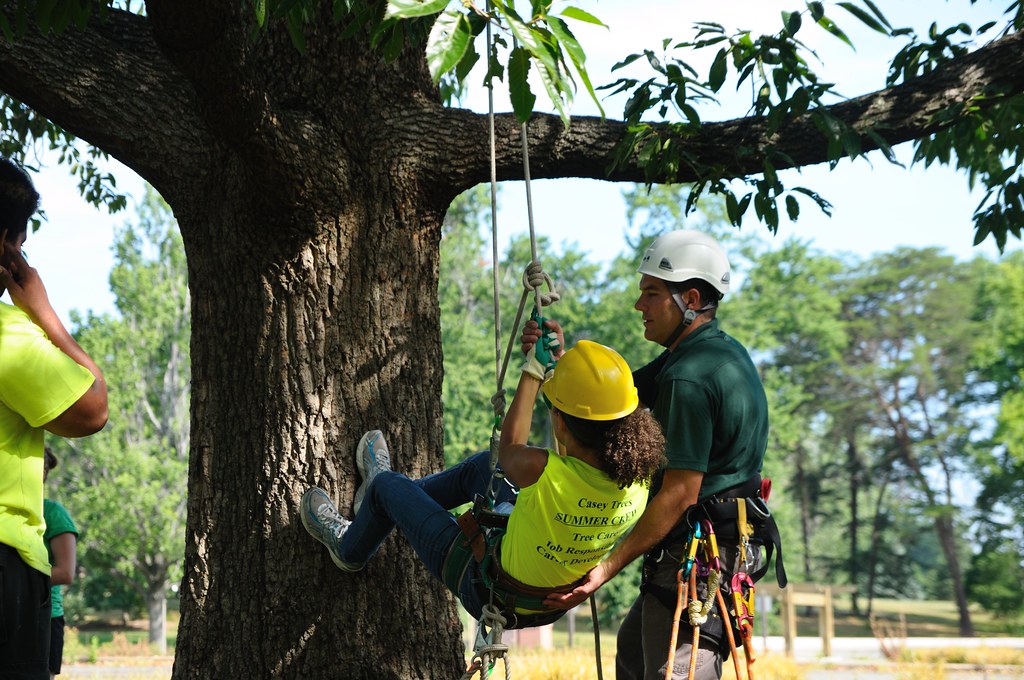
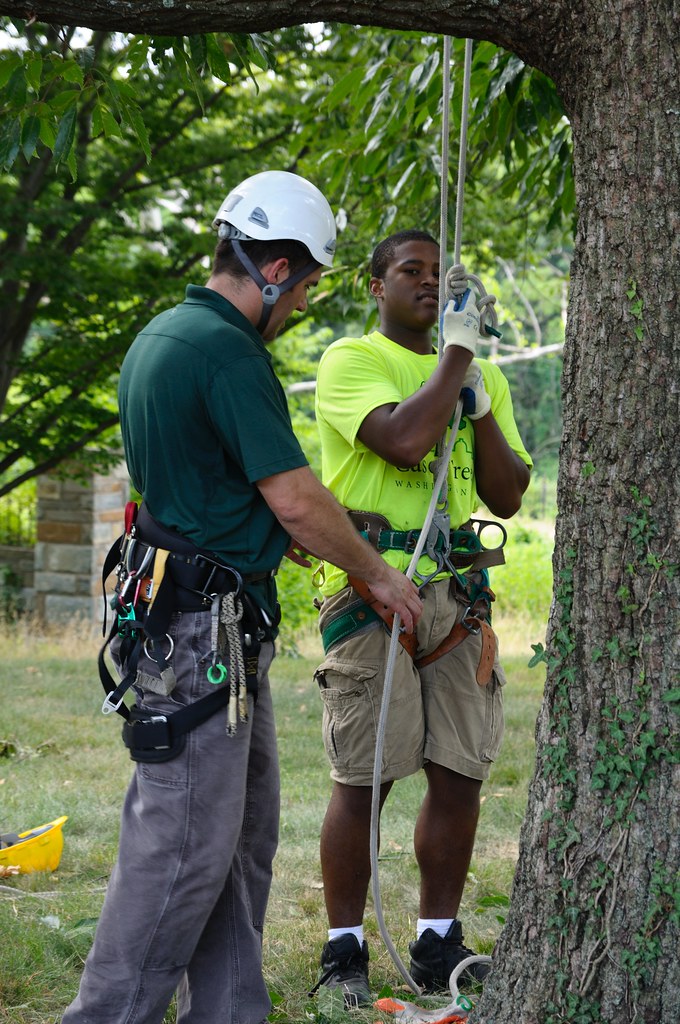
The crew has worked hard, biking and driving all over D.C. to reach trees from Casey Trees plantings from the past three years to help them survive these hot, humid summer days. As rewards for all of their hard work the students have been rewarded with three Career Development Days so far. At Daingerfield Island, they had the opportunity to learn all about the nursery industry while helping plant and care for young American elm trees that may someday be planted on the National Mall. More recently at the Arboretum, the students learned what an arborist does and had the opportunity to climb trees! Today they are learning about planning, design and advocacy at Casey Trees headquarters and the Franciscan Monastery in Brookland.

I know the students will continue to work hard and provide excellent tree care to D.C.’s trees during their next four weeks.

Tuesday, July 19, 2011

Summer Crew Update #5: Professional Development at the U.S. National Arboretum

For the past four weeks, our High School Summer Crew has been quite busy caring for trees throughout the District. This Wednesday, the crew got a break from their hard work with a professional development day of tree climbing at the United States National Arboretum. Casey Trees would like to thank Colien Hefferan, Director of the Arboretum for welcoming our Summer Crew and making this event possible.

Contributing writer - Zakara Wardlow, Summer Crew Team Member

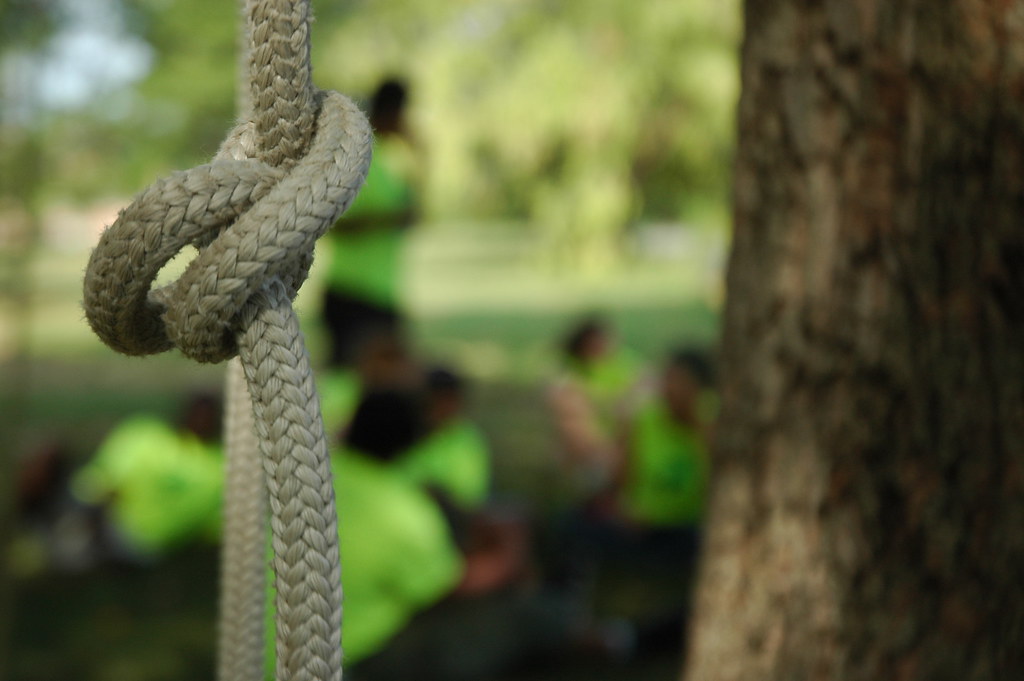
After exceeding our crew's goals, we had the opportunity to participate in our second career development day: learning how to climb trees at the National Arboretum. When we arrived we were greeted by Master Arborist Steve Nagy from Davey Tree who gave us preparation and instruction on how to properly climb a tree using a rope and harness system. We learned the basic techniques and learned about the use of tree climbing by arboreal professionals, including pruning techniques. It was really fun to climb and proved to be very physically challenging as well. All of the crew and Casey Trees staff had the chance to climb the tree. After testing our tree climbing skills, we took a break for lunch and got ready to explore the grounds of the Arboretum.

We were introduced to the Arboretum's extensive collection of Japanese bonsai trees. Bonsai trees are carefully pruned miniature trees grown in a small pot of soil. These trees often live for long periods of time with careful attention. We were shown the oldest tree in the United States - a bonsai that was around 400 years old! I thought it was great to be able to see that in person. Tony Vlahakis and Michael Rayburn (tree experts at the Arboretum) gave us a tour of the grounds, showing us the white oak (state tree of Maryland and Illinois) and the tulip tree (state tree of Indiana, Tennessee and Kentucky). We had the chance to improve and demonstrate our ability to identify trees. Unfortunately, our trip was cut short because of stormy weather, but we were glad to have the chance to participate in another career development day.

Some photos from this event (more can be found on Flickr):


Wednesday, July 13, 2011

Summer Crew Update #4: Tree Care Lessons

Contributing writer - Sarah Turner, Summer Crew Team Member 

In my third week as a Summer Crew team member, I have learned a few important tree care basics. Although many people believe that trees are self-sufficient and do not require much care after being planted, young trees need extra attention the first three years they are in the ground.

Stressed trees may need extra care.

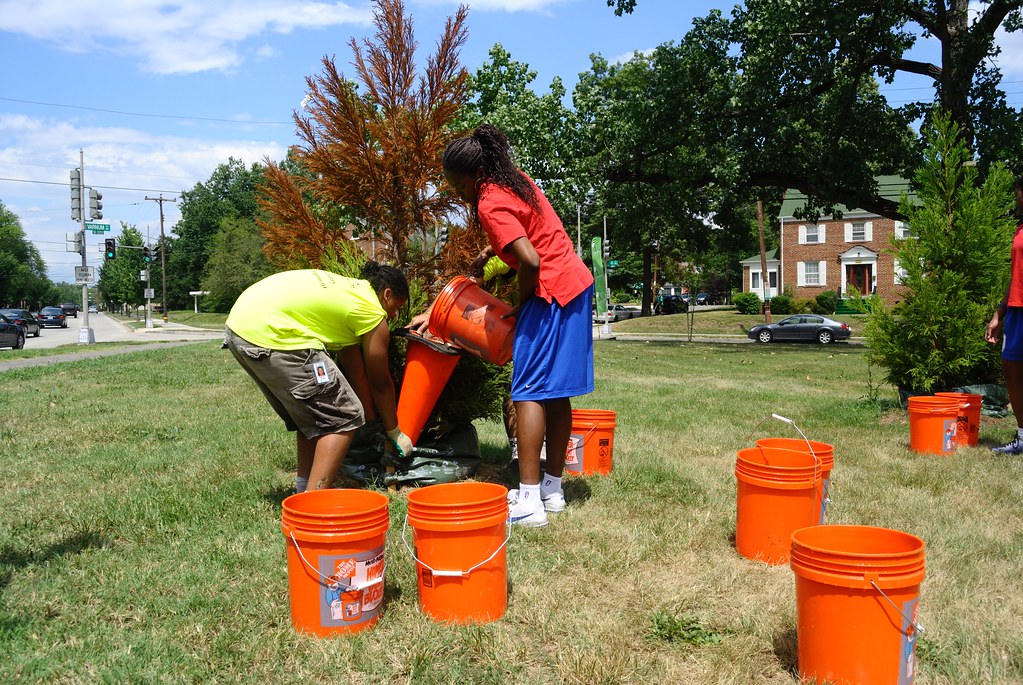
The standard rule of thumb is to ensure each newly planted tree receives 25 gallons of water per week - the exact amount our slow-release watering bags hold. However, it is important to evaluate each individual tree's needs. Some trees may show signs of distress, such as browning of leaves and could use additional water to help return them to health. I have learned to pay attention and respond to these small signs.

Weeding and mulching is frequently overlooked. Weeding removes competition for nutrients and mulching prevents weeds from returning and keeps the soil moist. Both are very important to do in the summer months and only takes a few minutes to do.

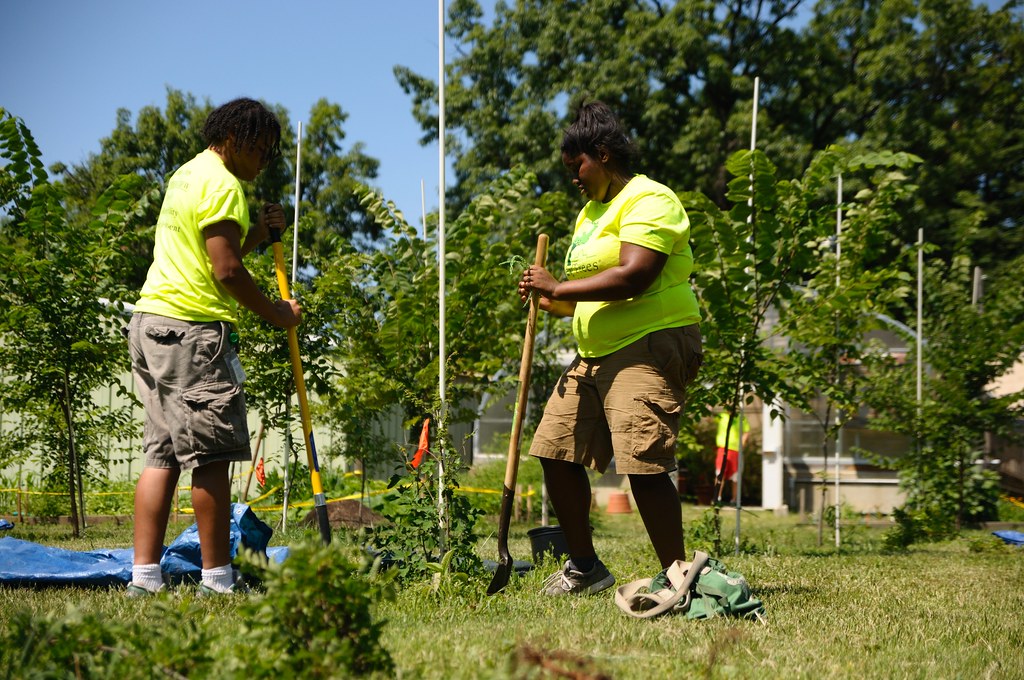
Summer Crew member Sarah Turner working at Daingerfield Island.


Lastly, be careful with lawn care equipment like lawnmowers. One nick on a tree's trunk can sever its nutrient transportation system. The tree may not show signs immediate signs of distress but small tears and cuts can be fatal. Adding trunk guards at the base of the tree and protective mulch ring can help safeguard your trees.

Monday, July 11, 2011

Summer Crew: Tree Planting Crew Update

Contributing writer - Mike Nelson, Urban Forestry Crew Chief

Wow! Time flies when you’re blasting through thousands of trees, providing excellent annual care and much needed hydration amidst another blistering summer. We are entering week four of the Casey Trees Summer Crew program 2011. As a co-leader of six exuberant young men and women, I have the privilege of performing a necessary component of Tree Care while engaging in the maturation and career development of D.C.'s next generation of environmental ambassadors.

Filling up a five-gallon bucket from the water bladder attached to our trailer.
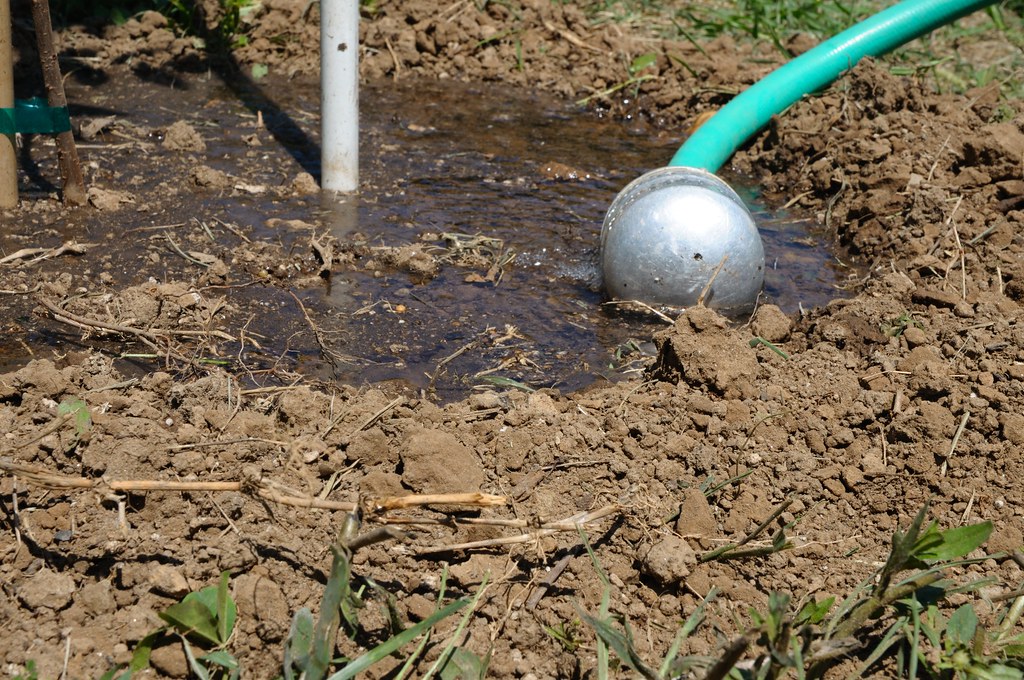
On a typical summer day, we begin at 8 a.m. where we split into two crews, prep the trucks/trailers for safety, stretch and head out with a 500 gallon water bladder and 300 gallon tank in tow. Our goal is to touch anywhere from fifty to one hundred trees planted within the last three years. Occasionally we use a hose inserted into a 25 gallon ooze tube with water sourced from a hydrant; but for often we haul several forty-pound, five gallon buckets of water from the bladder directly to the trees by hand. In addition, we occasionally mulch, weed, prune and clean up the area. You may see us weaving through traffic to position ourselves near a street tree; though you’ll also spot us in our bright yellow shirts at schools, parks, and the occasional cemetery.

We face ample challenges throughout the week, from fighting extreme heat to the obvious safety concerns of working along busy D.C. roadways. We always make sure that safety is our main priority when we're out in the field. Occasionally, we will find ourselves tight roping a narrow median such as East Capitol or New Hampshire Avenue.  However, at the end of the day we always have a sense of great satisfaction. We work hard encourage the growth of these young trees so that one day they will become giants.

Thursday, July 7, 2011

Water By-Cycle Update

Contributing writer - Mike Ferguson, Urban Forestry Crew Chief

I have been a proud member of the Casey Trees staff for over a year and this summer I have the opportunity to be a captain for the Water By-Cycle crew. The WBC crew is composed of two bike captains and four high school students. We travel by bike to water trees in parks, like Sherman Circle, and schools such as Hyde ES and Calvin Coolidge HS. On July 5th, for example, we watered blackgum, river birch and fringe trees at Sherwood Recreation Center in Ward 6.

We face special challenges like carrying around 250 feet of hose on a bike trailer and fixing flat tires on the road. We spend our days exposed to heat and traffic so safety is of utmost concern. The bike crew takes advantage of the Metropolitan Branch Trail (where we also water trees) and bike lanes throughout the city to reach our destinations. The bike crew has set a goal to water 78 trees per day and as of July 1st we have watered 561 trees. By the end of the summer the WBC plans to water 2,574 trees.

Personally, I find great reward in watering trees that I have planted during past Community Tree Planting seasons. Last week I watered London plane trees on Monroe Street in Brookland that were among the first I planted with Casey Trees. The trees were in need of water and we pruned many suckers from the base of the trunk. I felt a sense of satisfaction after caring for trees that I had planted.

For the remainder of the program we hope to stay safe, reach our tree watering goal and enjoy the unique experience of caring for trees by bike!

Mike Ferguson with the new Water By-Cycle trailer

Wednesday, July 6, 2011

Summer Crew Update #3: Professional Development

Contributing writer - Na'Quesha Taylor, Summer Crew Team Member

My two weeks at Casey Trees has been very well spent. On Thursday, we had our first professional development exercise to learn more about tree care. It was an experience I will never forget. We earn professional development outings by meeting or surpassing our weekly tree care goals. Our trip to Daingerfield Island marked us beating our goal of 1,081 "tree touches" by almost 20 trees.

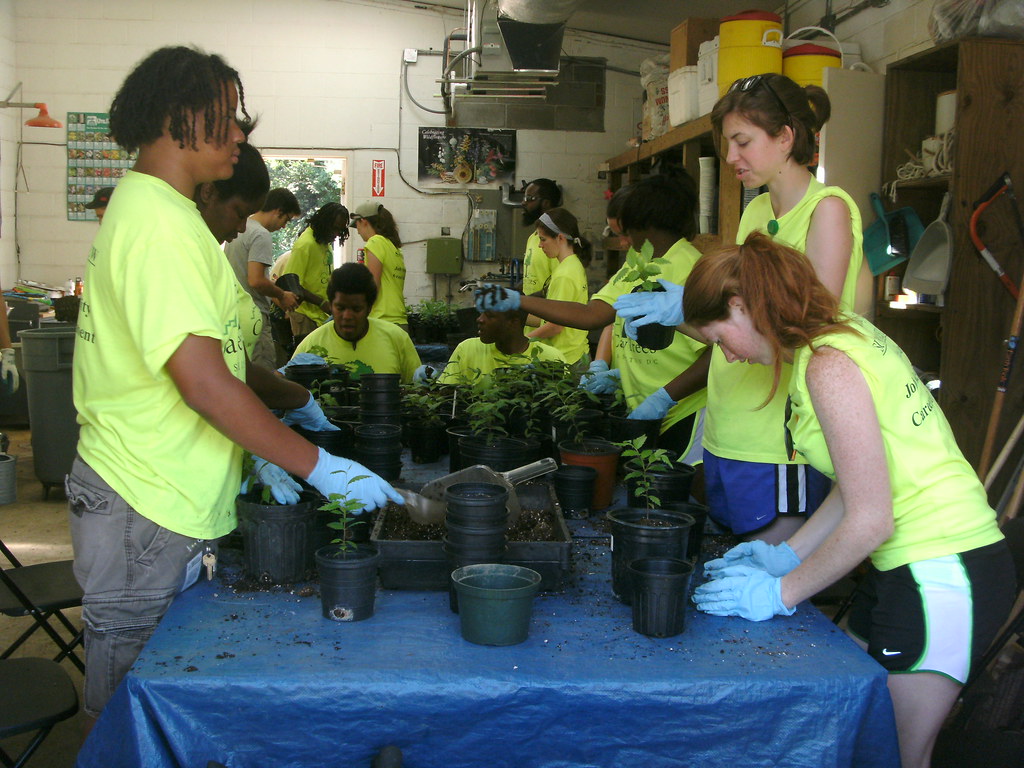
Fellow Summer Crew members selecting and re-potting one-year-old elms.

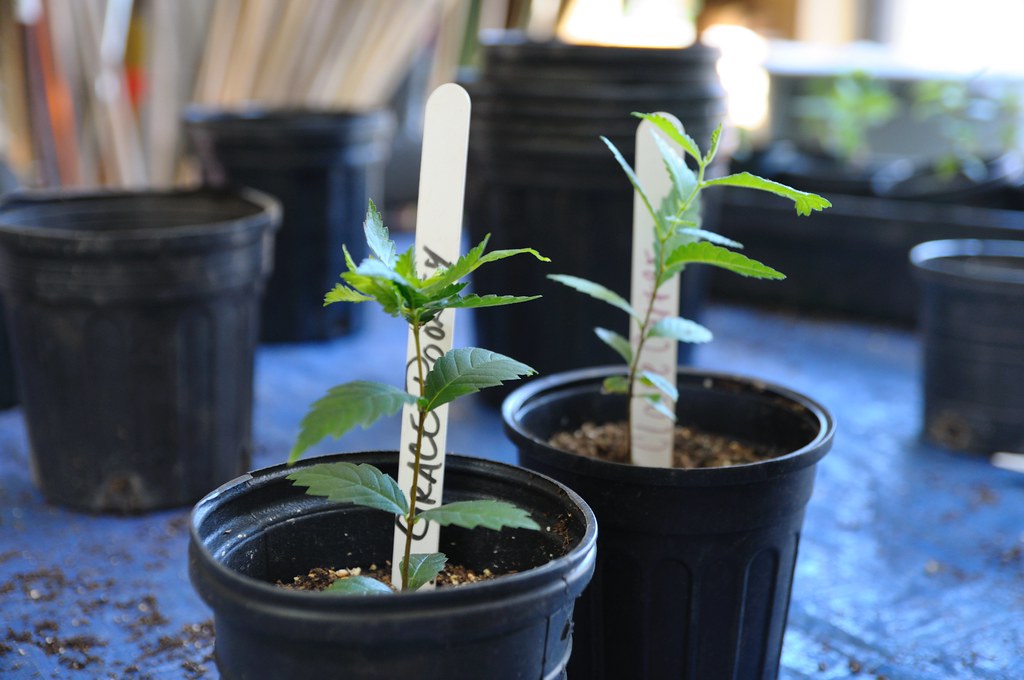
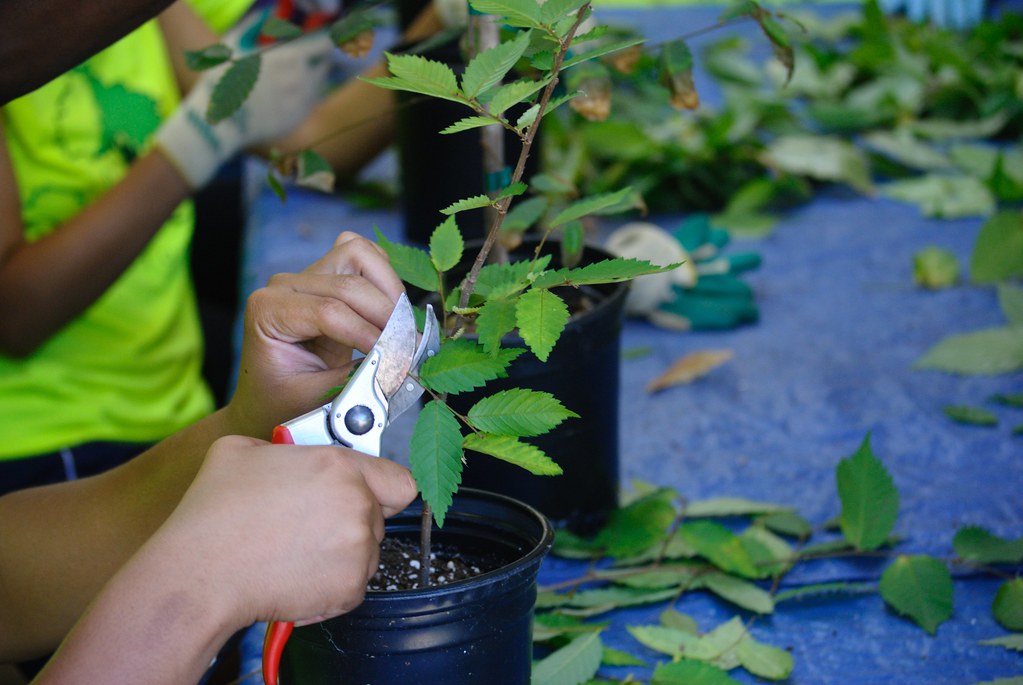
On Daingerfield Island, we worked with Barry Stahl who runs the American elm nursery for the National Park Service. We started off with re-potting one-year-old elms whose roots had outgrown their small pots. I re-potted nine baby elms and I got to save one from being thrown away with the other "runts of the litter." The tag on my baby elm read "Quesha Taylor's Saved Tree." After that we pruned a few of the two-year-old trees and added stakes to guide their growth.

Afterward Barry took us outside to the nursery to transplant three-year-old elms. It was a little difficult at first but Jabbari and Mitchell helped me out. Together we transplanted three elms. This event helped the entire Summer Crew team forge a stronger bond since this Water By-Cycle and truck teams generally work separately. While we always have fun, getting to work and relax together was a huge bonus.

Planting young American elms at the Daingerfield Island nursery.

Following lunch Barry took us to an acre of land at the tip of the island filled with trees and giant weeds. Our job was to remove the weeds so people could see the river through the grove and make the area more safe for young students who visit to help plant the trees. When the area was clear, we planted trees. We all planted one tree that we could claim as our own. I picked a very special spot for my elm tree with just enough shade and sunlight. I cannot wait to go back in a few years to see how well the trees are doing.

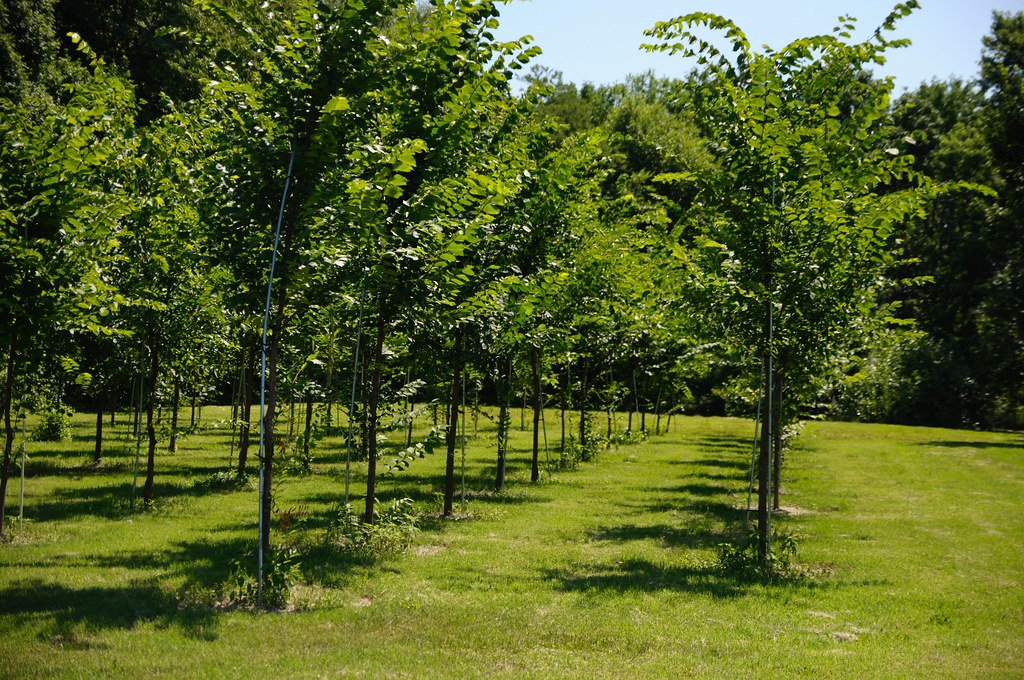
Three-year-old American elms.

We ended the day back at Barry's garage eating watermelon. Even though we were all tired, we still managed to laugh and keep smiles on our faces. I can’t wait until we reach our next goal so I can learn more about trees spend more time with the entire Summer Crew team.

Tuesday, July 5, 2011

Photos: Daingerfield Island Summer Crew

The High School Summer Crew has been very busy learning about all that goes into tree care, from mulching to untangling water hoses. Last Thursday, the crew expanded their expertise even further during a pruning and tree care event at Dangerfield Island in Alexandria. National Park Service horticulturist Barry Stahl led the event, which was one of three professional development sessions the crew will attend this summer.

Horticulturist Barry Stahl briefs our crew on pruning trees at Dangerfield Island.

Before pruning, each student picked out a baby American elm from the nursery. The crew members labeled the trees so they can check their progress as they grow.

Young elms chosen and labeled by Summer Crew members.

For their first assignment, the crew pruned very young trees to make sure they grow properly.

Unsuccessful trees were uprooted and replaced with healthy specimens in the field.

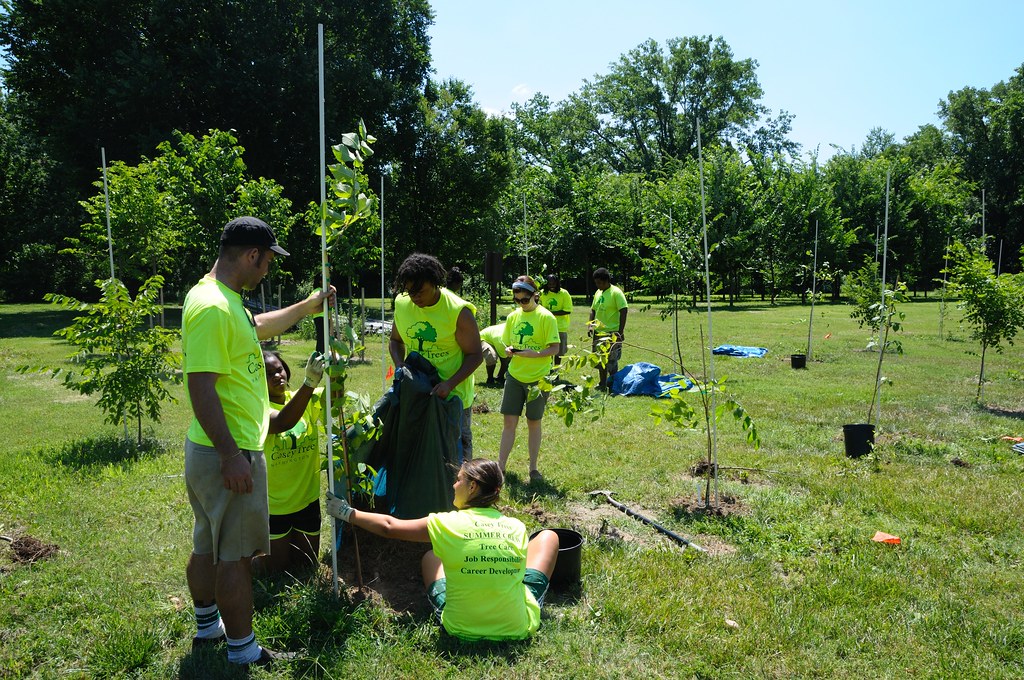
At the American elm nursery, the trees remain in the greenhouse until they are three years old, when they are then planted in the outdoor field. Our high school summer crew helped prep the holes and plant the three-year-old trees in their designated spots.

Summer crew members work together to tie a young tree to its guiding stake.


See our 25 to Stay Alive tree watering guide for tips on how to keep your trees hydrated this summer.

View this entire photo set on Flickr.

Wednesday, June 29, 2011

Summer Crew Update #2: Why I Joined Summer Crew

Contributing Writer - Mitchell Holmes, Summer Crew Team Member

Mitchell Holmes carries water at a tree care event at Michigan Park in Ward 5.
I applied to work on Casey Trees' Summer Crew for three reasons.

First, I expected the work would be physically stimulating and keep me outdoors. I wanted work that would challenge my body and keep me moving. Working on the Summer Crew has proven to be just that. With all the bucket carrying, running hoses and traveling across the city, it has pushed me to my limits as I had hoped.

Second, I wanted to learn more about the environment. One of our initial training sessions involved learning how to correctly identify trees and about the physical, financial and social benefits they provide. Trees play an important role in our environment - much more than most people realize. Trees provide cooling shade, mitigate stormwater, provide oxygen and much more.

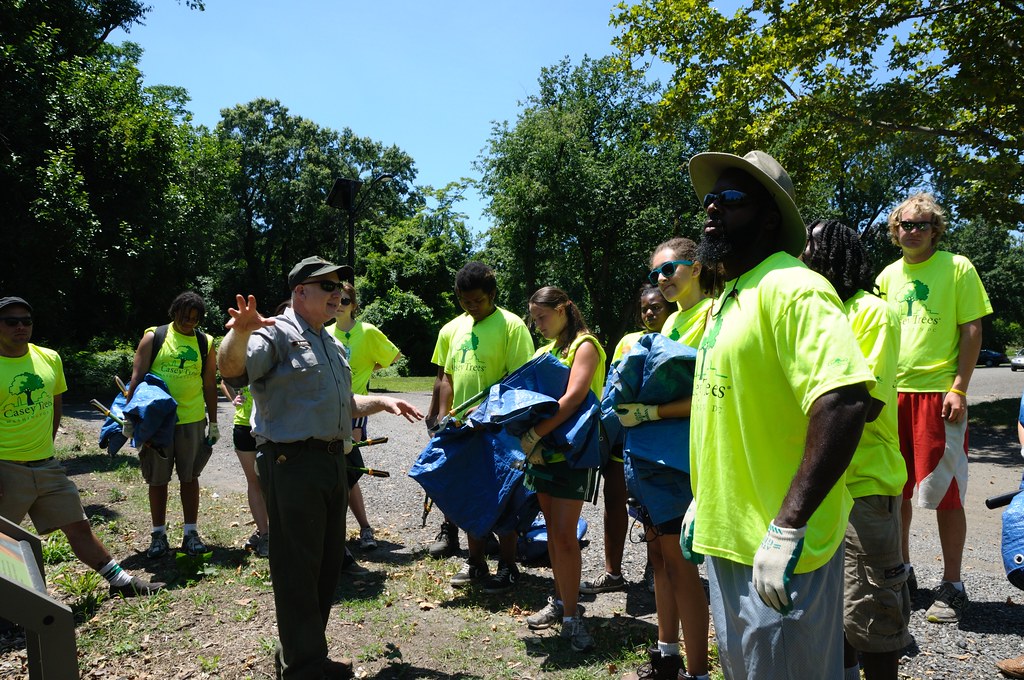
Summer Crew members learning tree identification from Casey Trees staff member Meg Johnson.
Lastly, I wanted to explore the city through different eyes. It is easy to not see beyond D.C.'s buildings and construction. Working for Casey Trees, I have come to notice how many trees are in the District and how much they contribute to my overall enjoyment of the nation's capital.

Monday, June 27, 2011

Summer Crew Update #1: First Impressions

Contributing Writer - Zana Holden-Gatling, Summer Crew Team Member

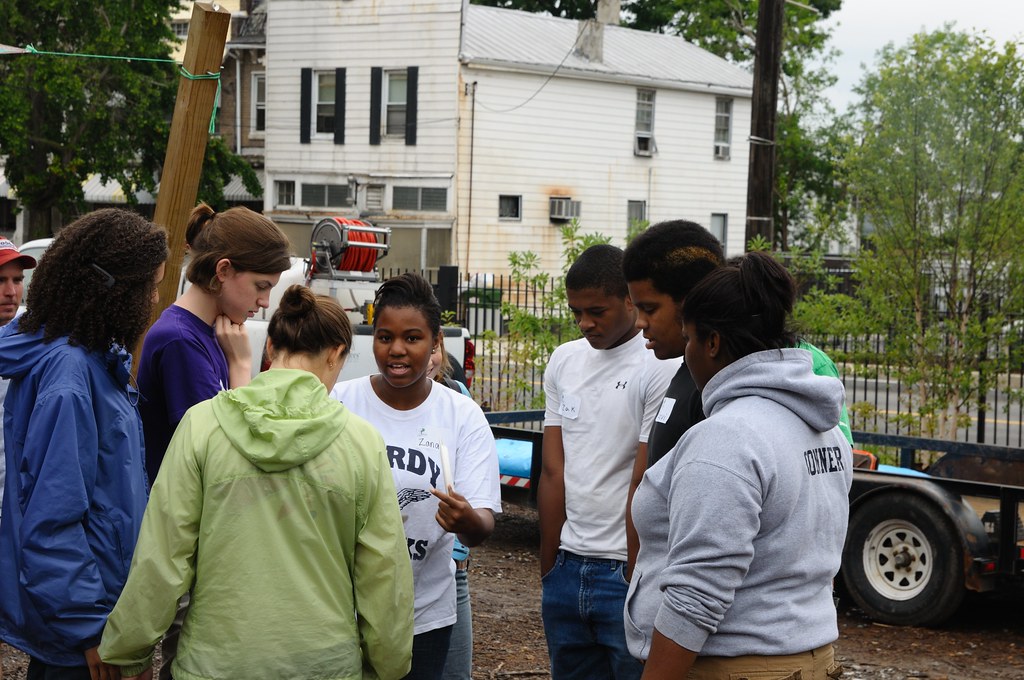
Team-building exercise on the first day of Summer Crew.
We learned so many things in our first week of Summer Crew that it was almost overwhelming. Even the first day was a lot to take in. The staff explained the mission of Casey Trees, urban tree canopy goals (going from a 35% canopy rate in D.C. to 40% by 2035), safety procedures, responsibilities of Summer Crew members and opportunities for career development. I'll admit I was concerned - could I handle all of this information?

The next day we had an introduction to tree species identification. I felt like I didn't know the answers to any of the questions and I wondered how I would manage to keep up. It became clear that I would have to stay focused and determined.

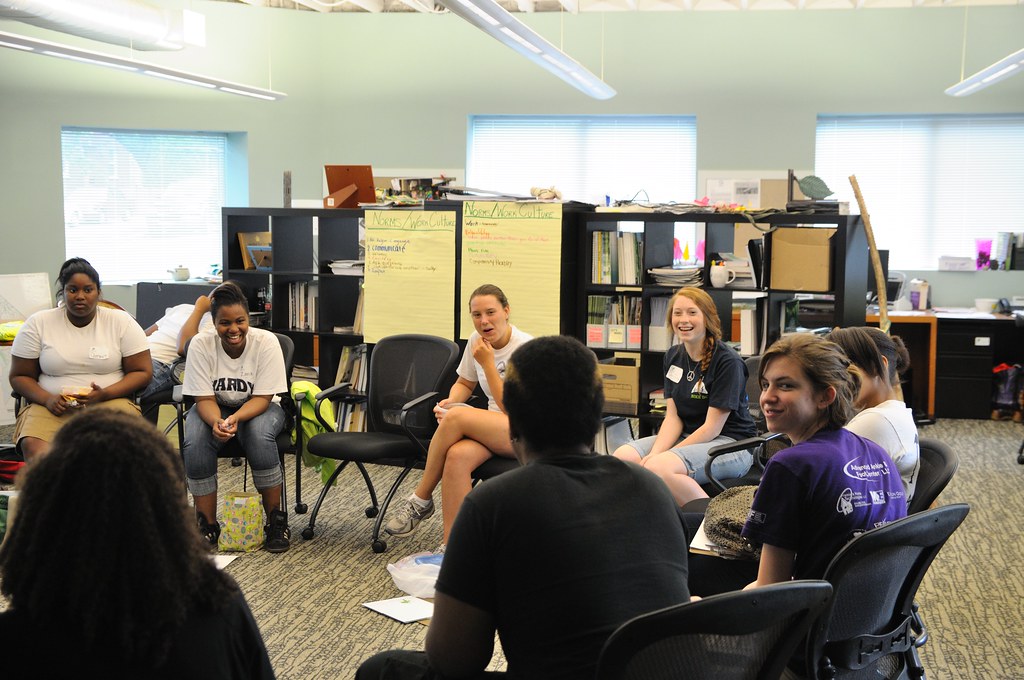
Learning the basics in orientation.
Arriving at the tree yard on the third day, my confidence was up and I began to feel more comfortable in my role on the Summer Crew team. Despite getting my shoes and clothes soaked, things started to look up. On the first day I couldn't tell a silver maple from a red maple or a sweet gum from a black gum, but I'm on my way to becoming a tree ID expert. I now feel like I can be there to help out my fellow team members. I'm excited to learn more about job responsibility, career development and most importantly how to care for our city's trees.